By Rory
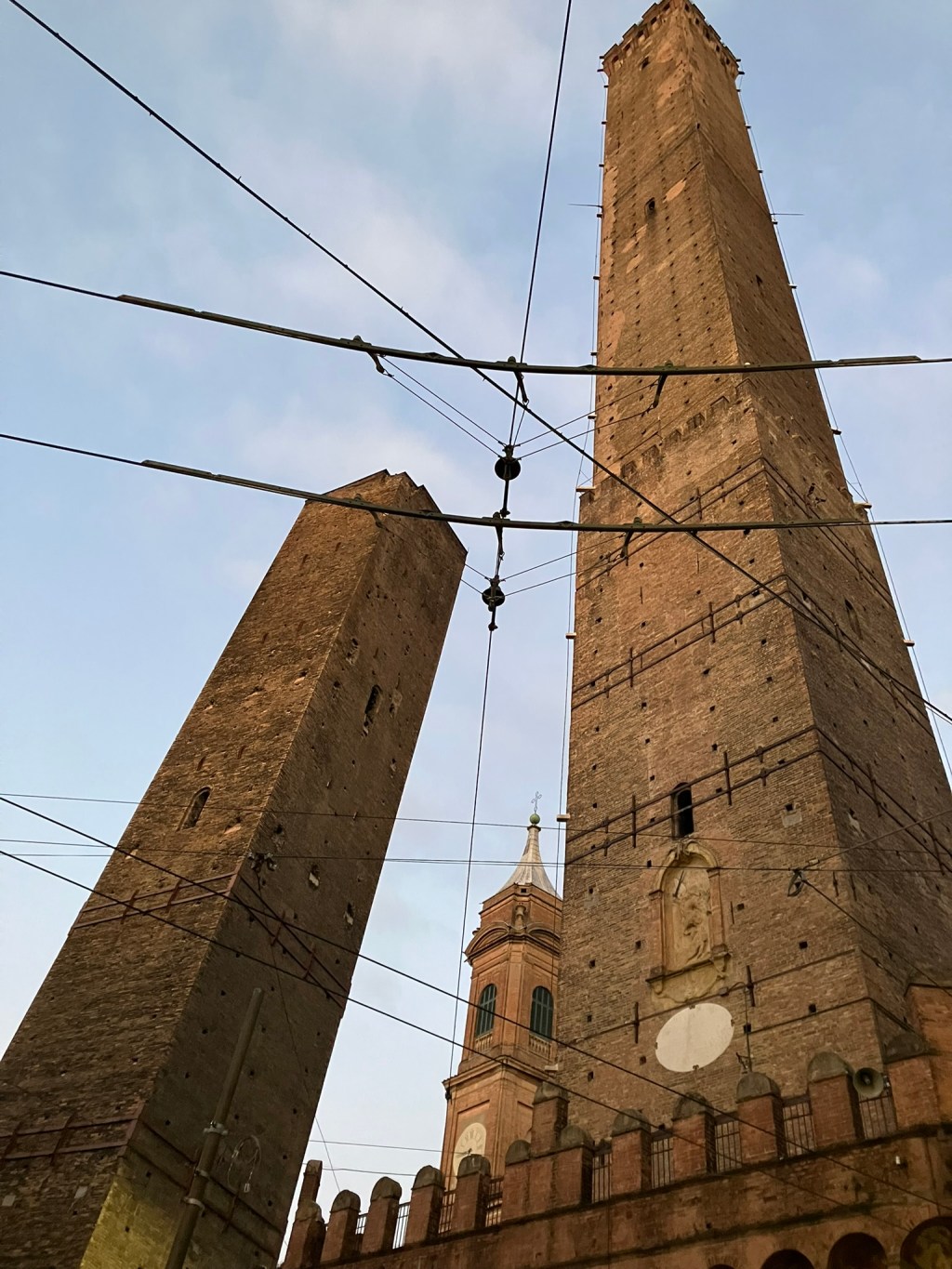
We’ve been using concerts in nearby cities as an excuse to get out of Ljubljana and explore other places, and recently we made the trek to Bologna, Italy to see “La Luz,” a great band from California. It took us about 8 hours, spread over 3 trains, to get there.
If the name of this city sounds a lot like a certain processed meat produced by the likes of Oscar Mayer, it’s not a coincidence. Bologna is the home city for Mortadella Bologna PGI, which has special “protected geographical indication” status under European Union law. This means to be called that, it must at least partially be made in Bologna and follow a specific recipe/proportions of ingredients. A more generic form of Mortadella was brought to the U.S. by Italian immigrants in the 19th Century, and became known, at first, as “Bologna.” Over time, the name evolved to the Anglicized “baloney.” And this is the meat product you see in grocery stores.
Bologna is also written about in a book I just finished and highly recommend, “Shade: The Promise of a Forgotten Resource” by Sam Bloch. The book’s premise is that the simple act of blocking or shading the sun for the sake of comfort and health is something we’re going to have to prioritize in order to adapt to a warming climate. As the book details, it’s a simple concept that Americans have forgotten, largely because of the ubiquity of air conditioning.
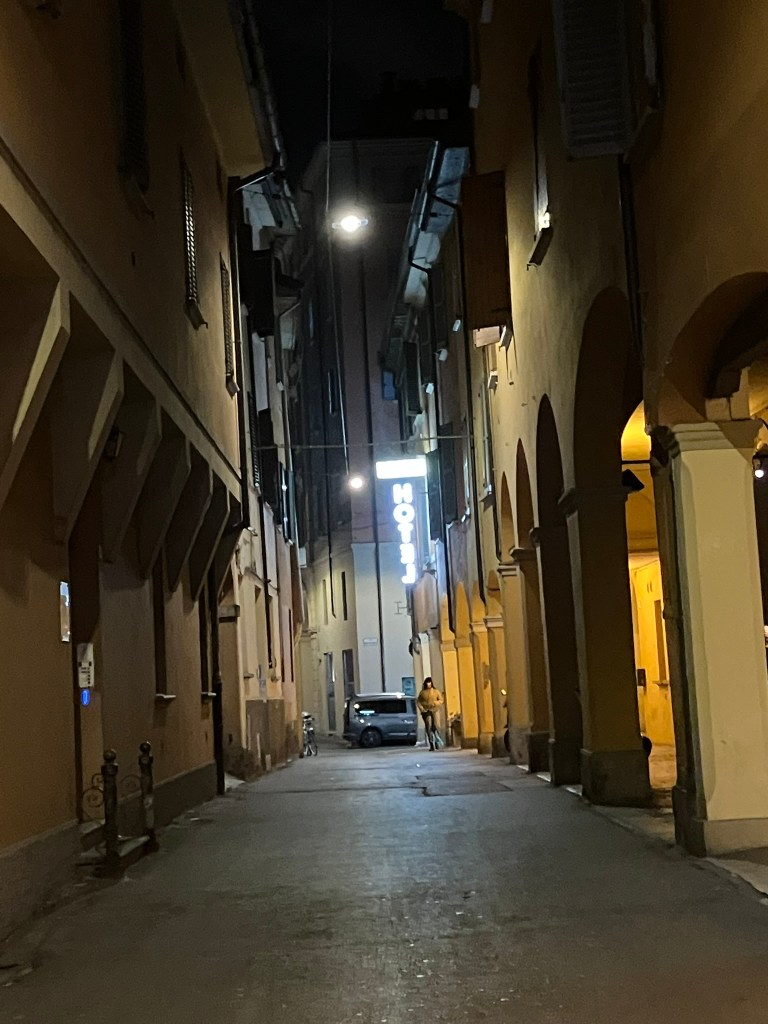
But the Bolognese people got it right by adding porticos to their buildings when they first developed the city about 1,000 years ago . The initial logic of this was largely driven by a housing shortage caused by all the students who were moving to the city to attend the world’s first university (this was circa 1088). By extending the upper floors of buildings into the street, it added some room in the building for more apartments, while at the same time extending the sidewalk, enabling more room for commerce. Now there are over 62 km of porticos winding their way through the city, providing pedestrians shelter from the elements as well as a safe, protected place to walk. And dine. And sell stuff. Some photos of our favorite porticos….
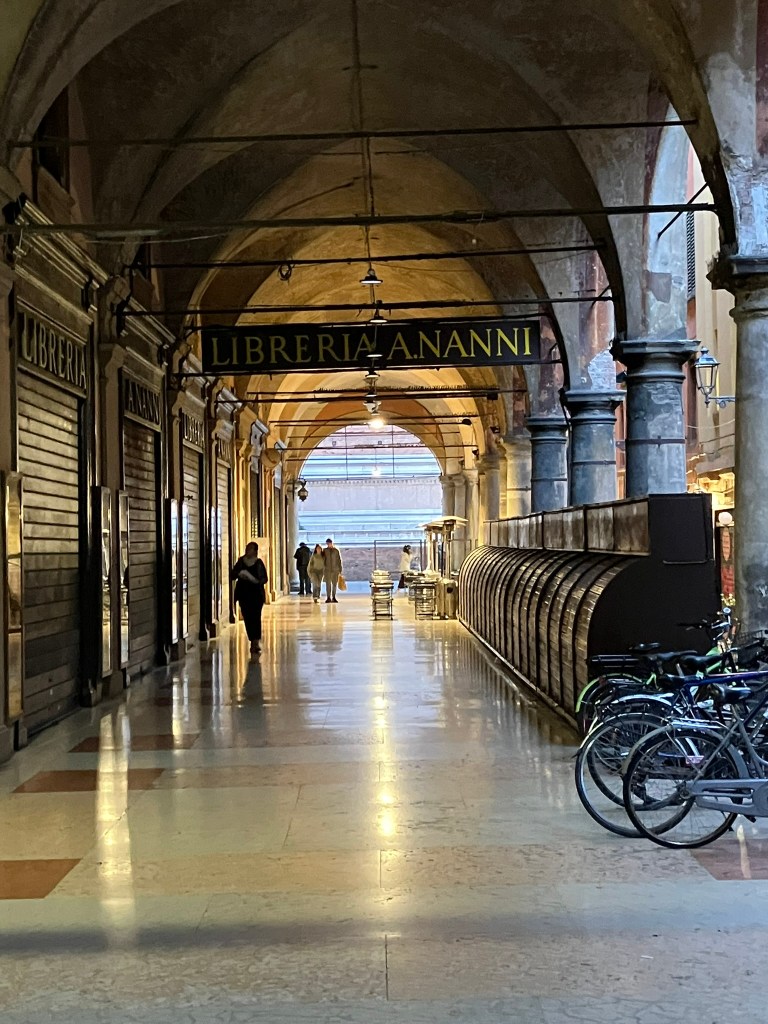
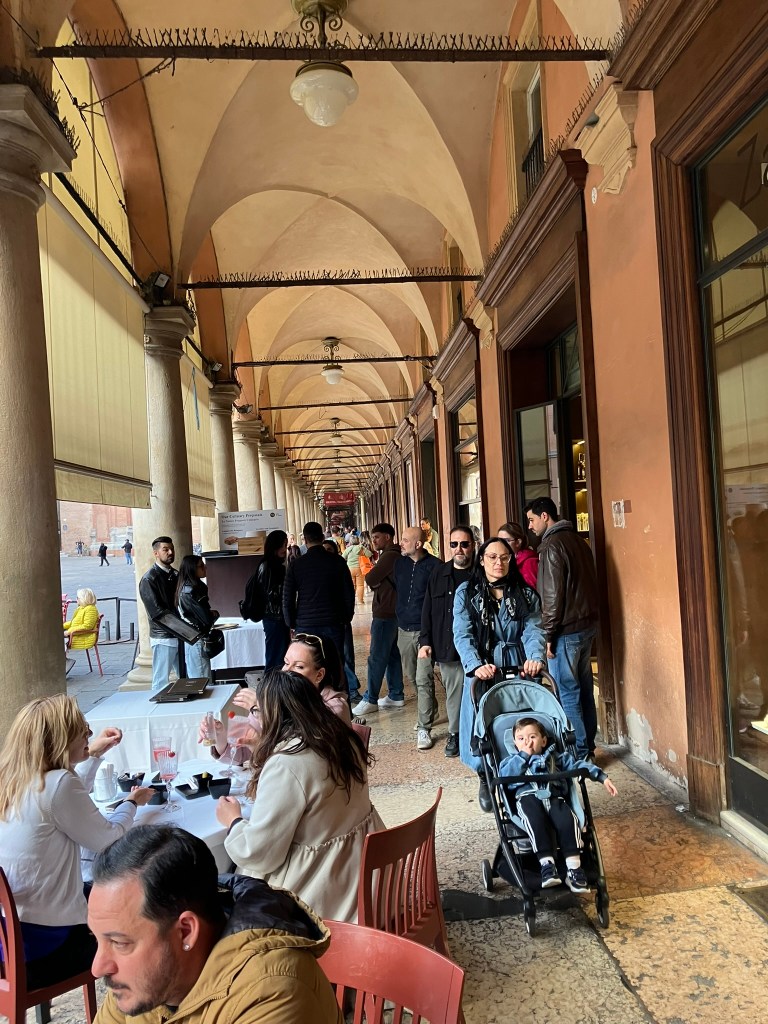
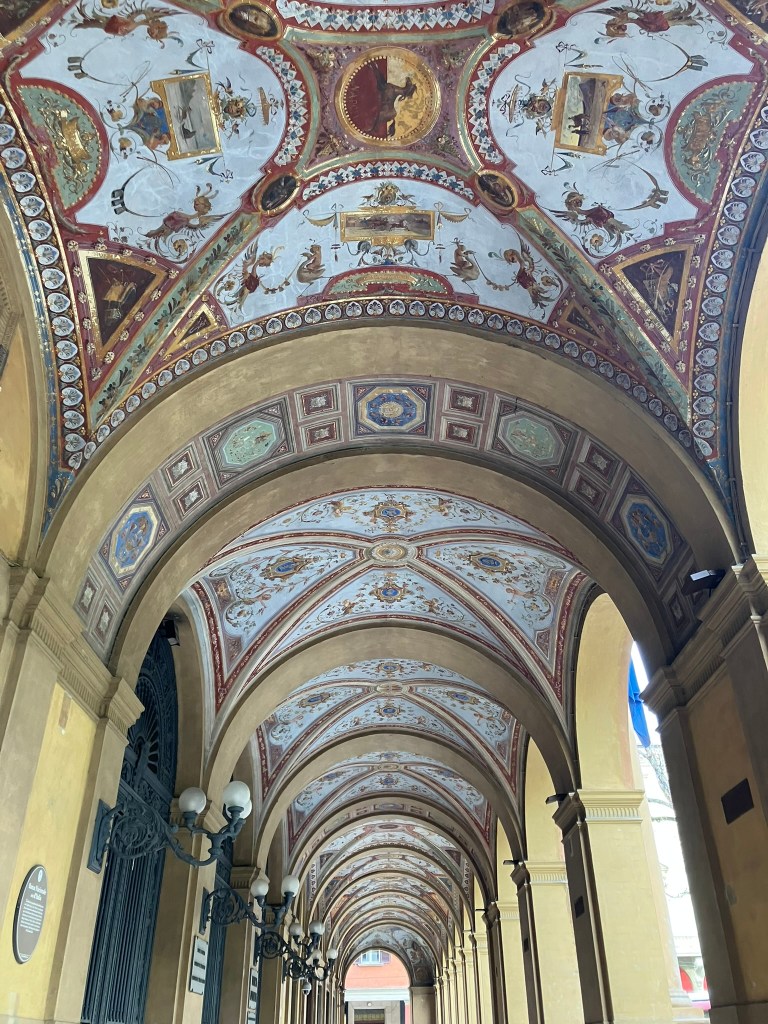
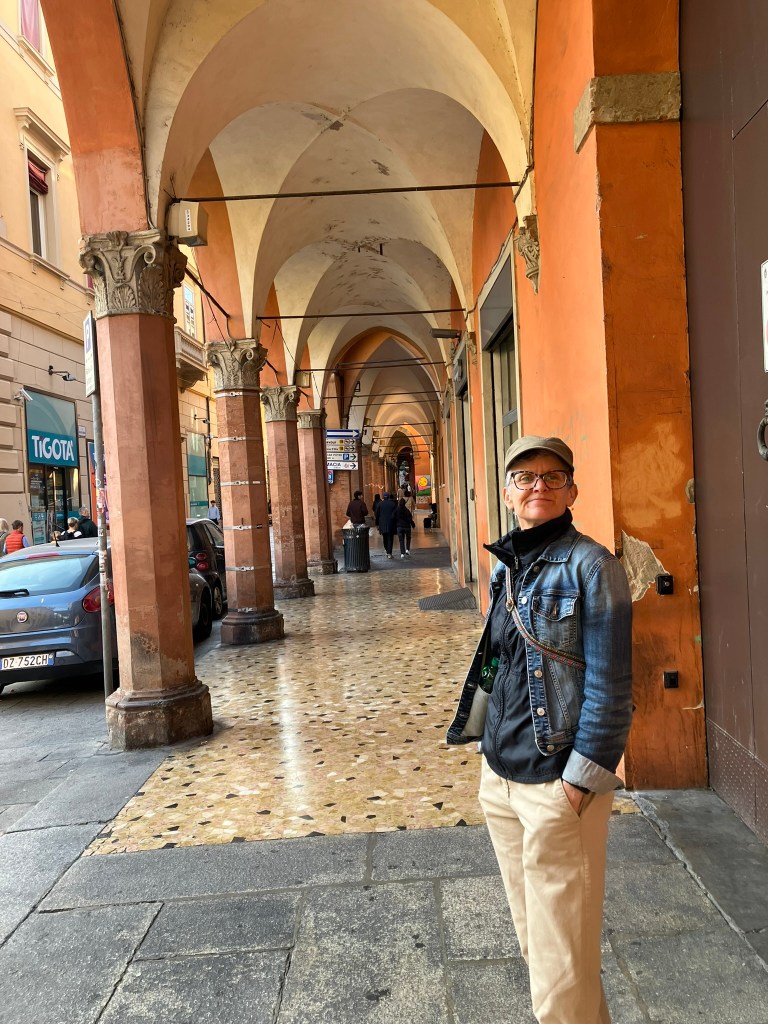
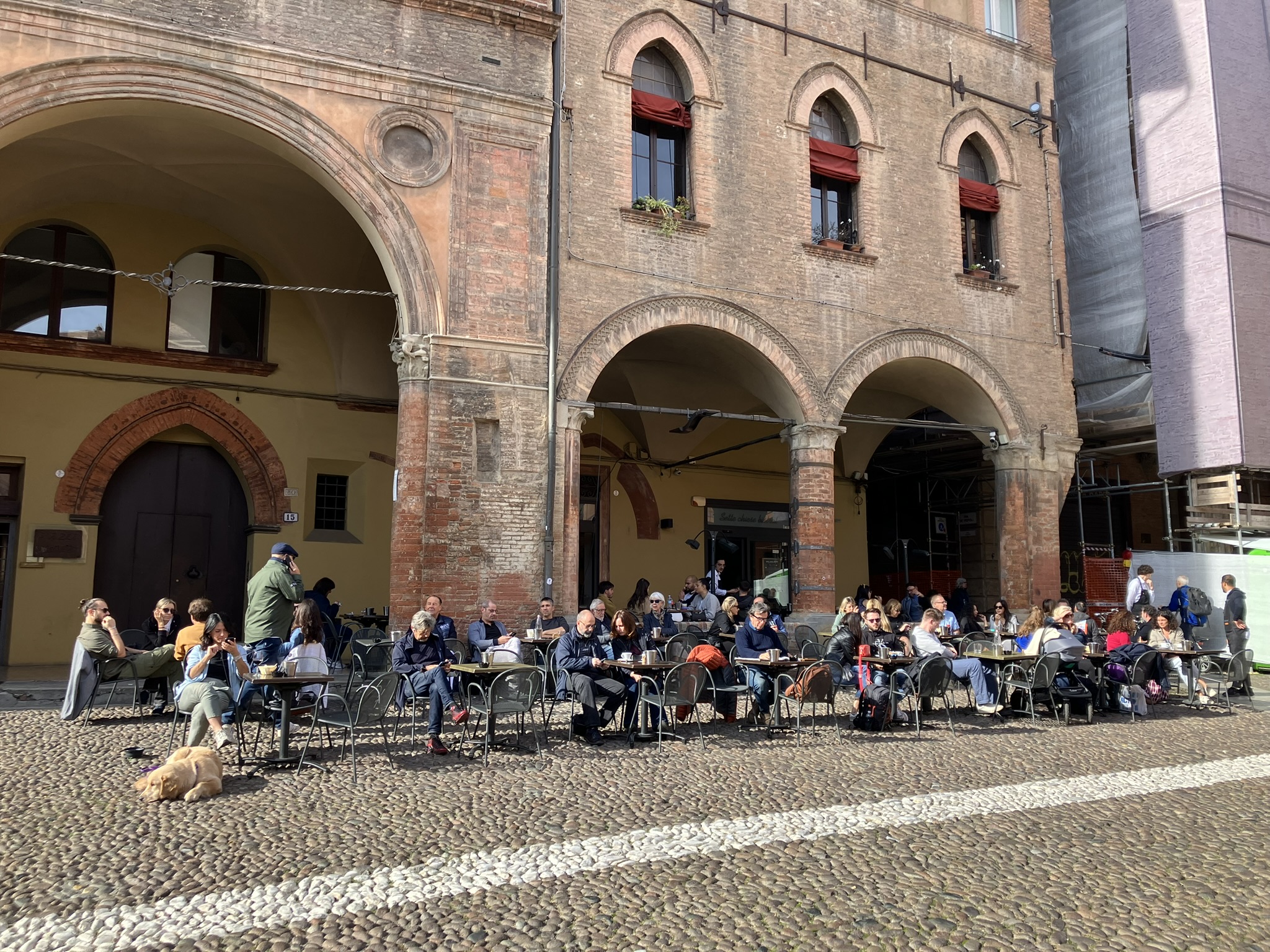
Getting around the compact center of Bologna is basically like walking through an interconnected series of porticos, a little like being in a human Habitrail. A few things we saw and experienced, besides just all of the great wandering we did….
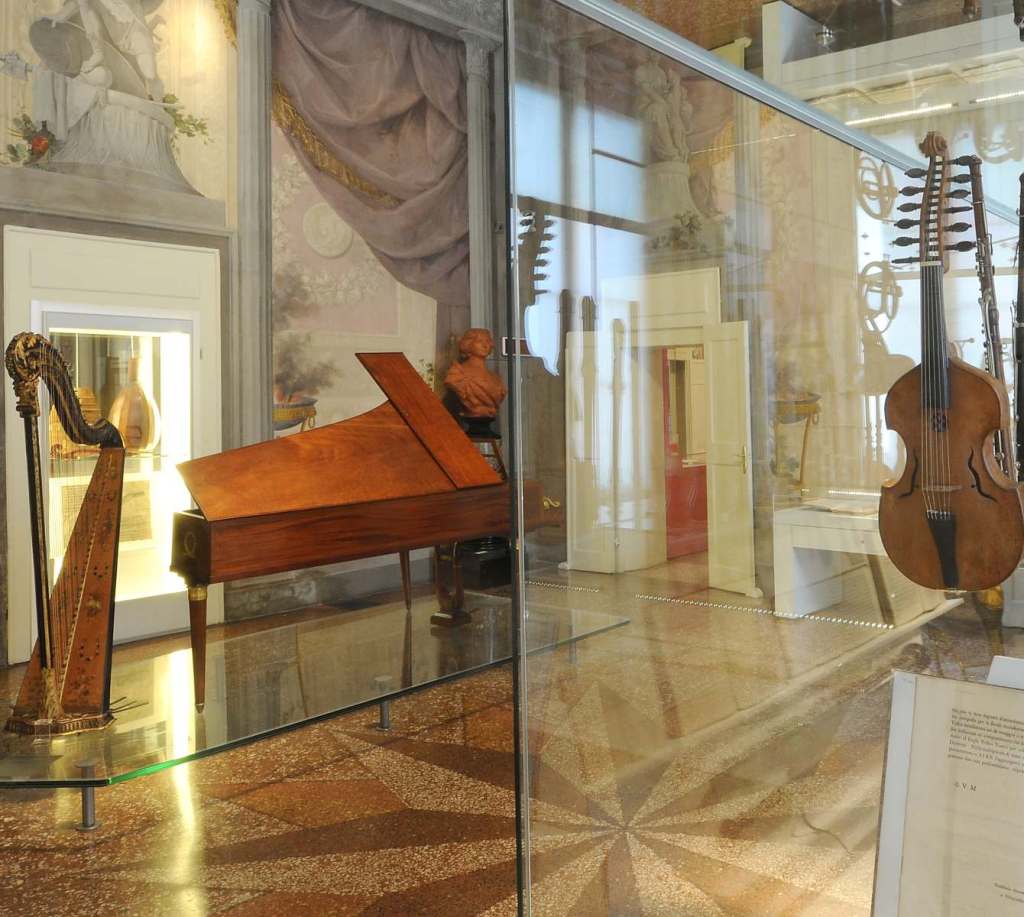
Bologna Music Museum and Library
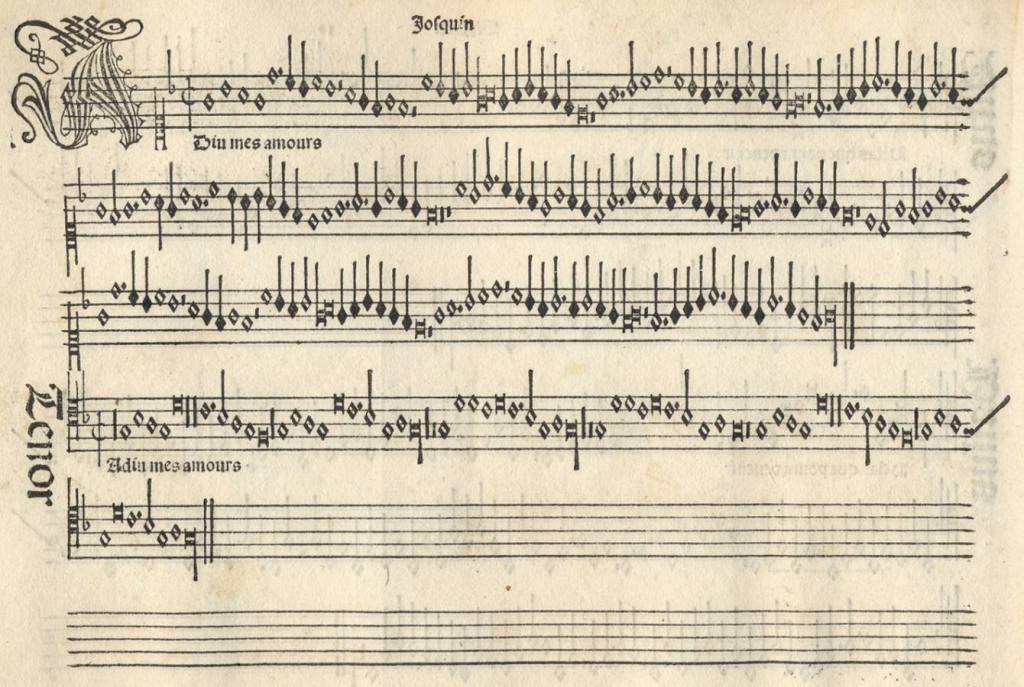
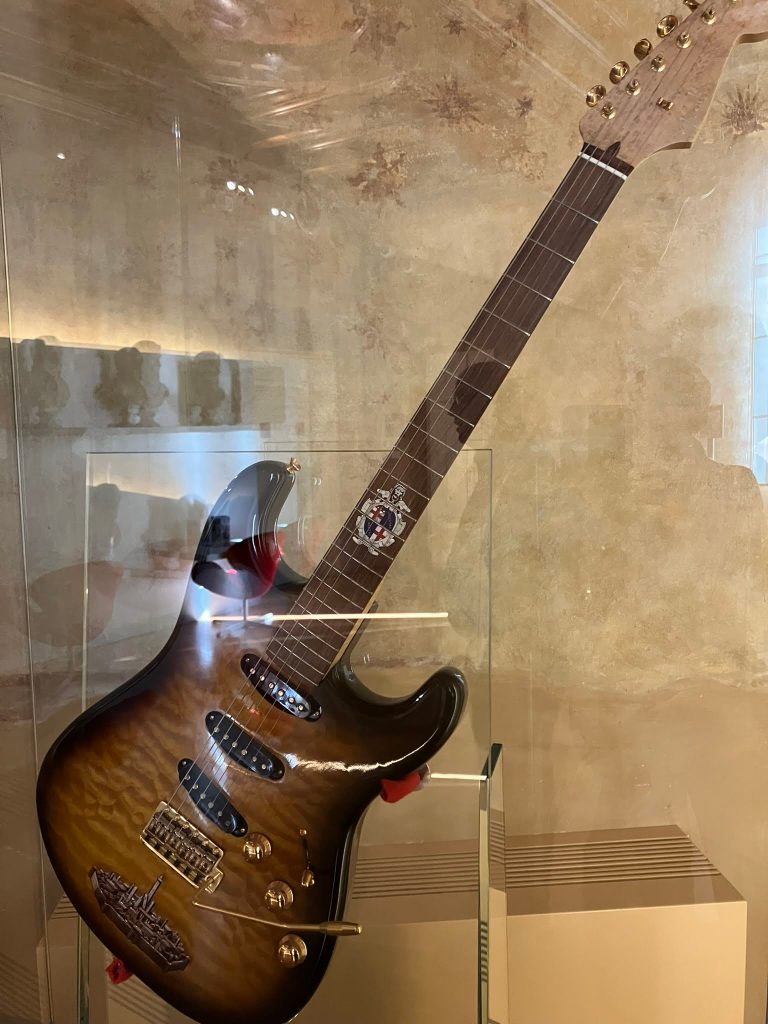
This beautifully frescoed museum is full of ancient instruments and music manuscripts, much of it collected by Father Giambattista Martini (aka Padre Martini), an 18th century priest, who found music as a pathway to higher spiritual places. As such, he collected tons of music manuscripts as well as trained the likes of Mozart and Bach. The museum also has quite a display of musical instruments from centuries past. Some photos are below–the first two are from the museum’s website, the third is a Fender Stratocaster made especially for the museum’s opening in 2004. I think it’s the only instrument in the museum that uses electricity. Note the city’s skyline engraved into the guitar’s body.
Bologna Municipal Palace (D’Accursio)
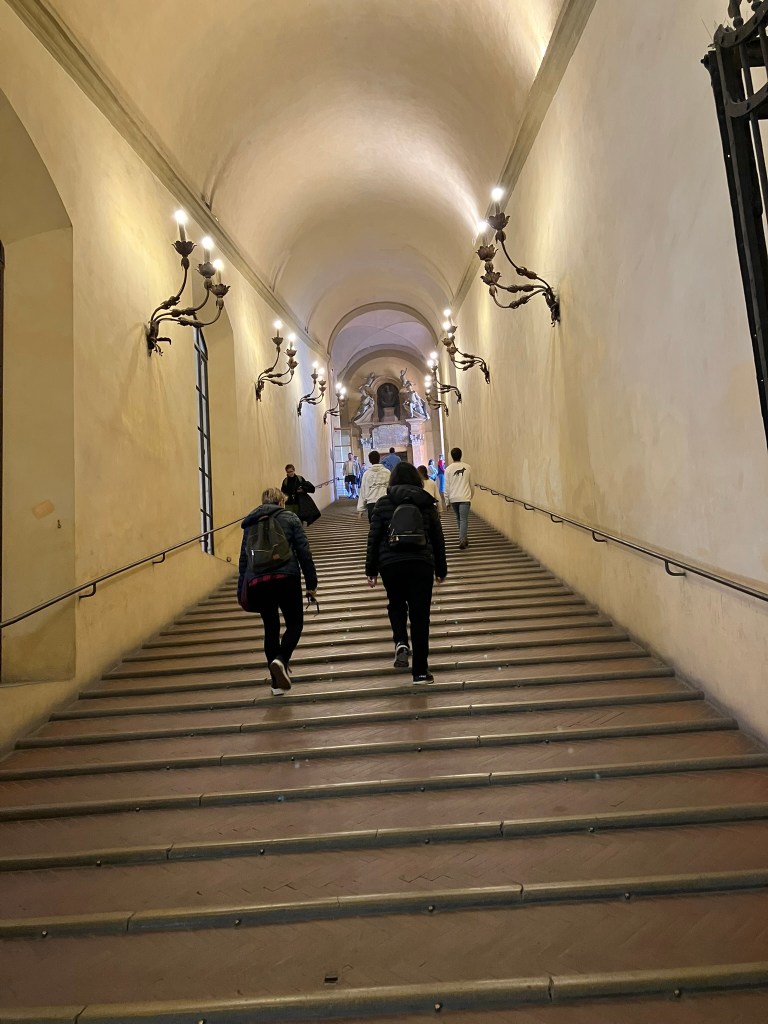
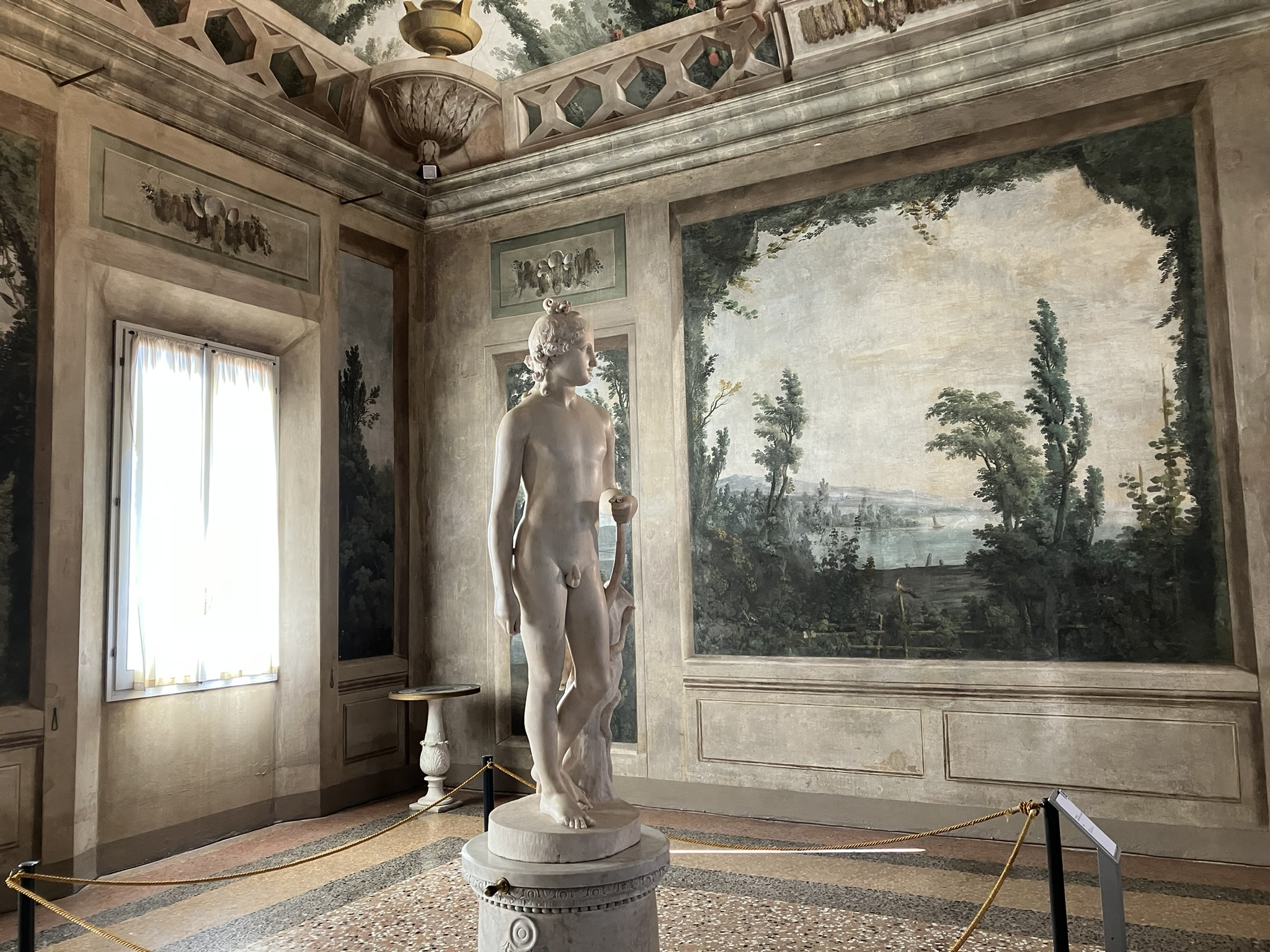
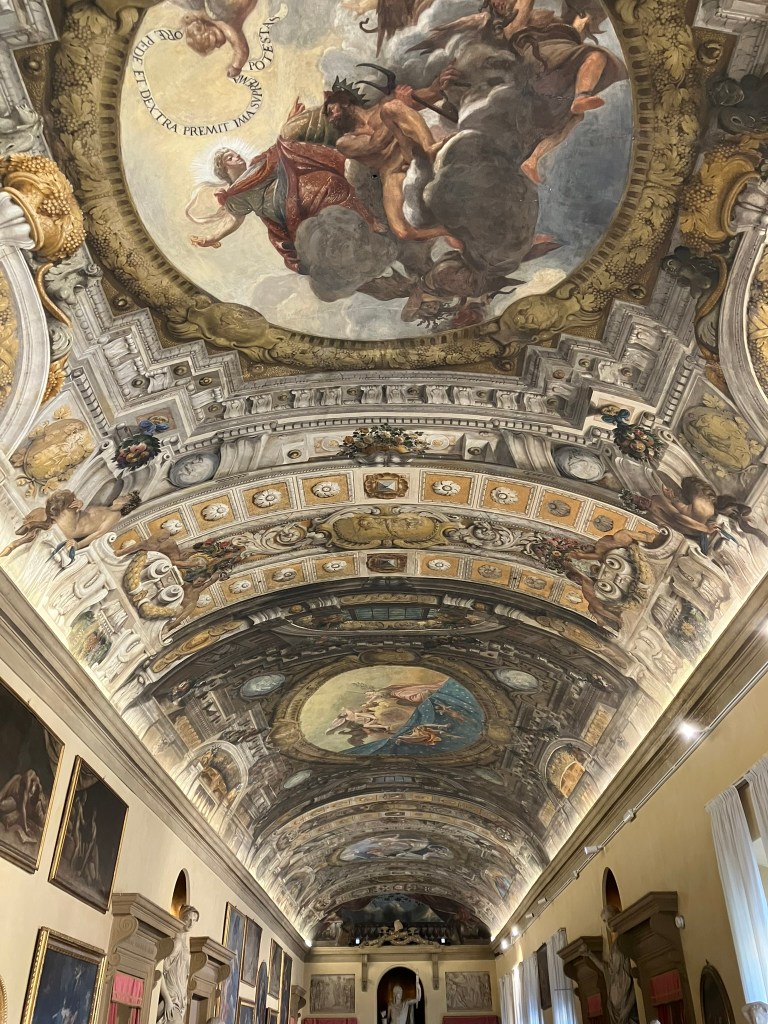
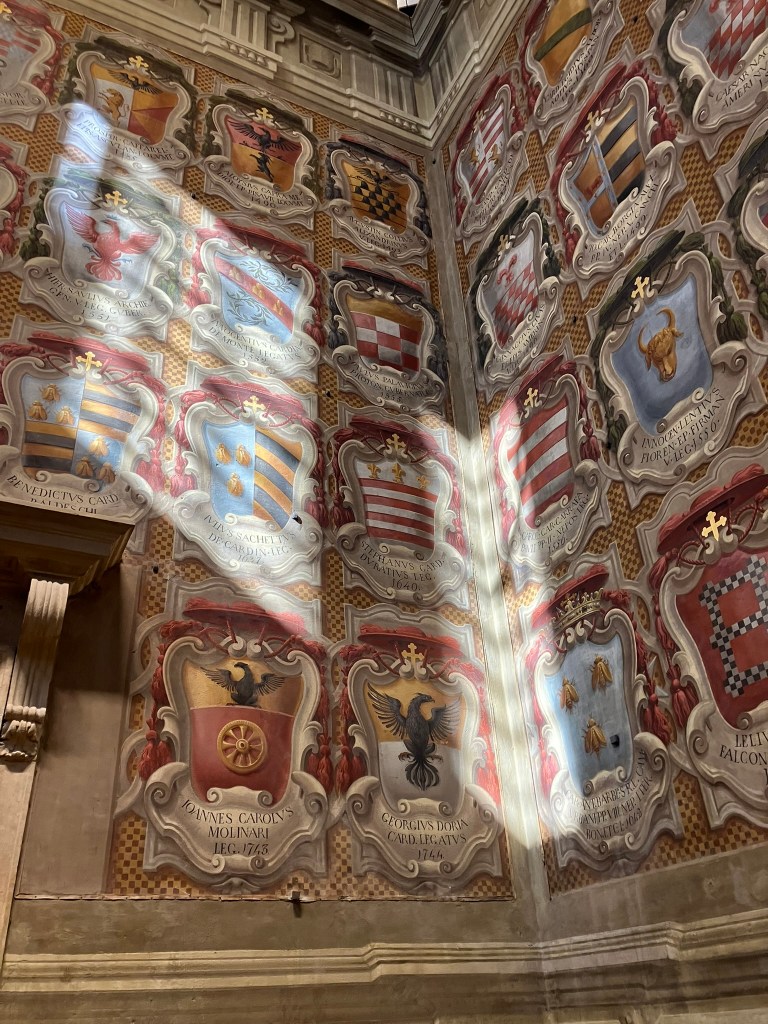
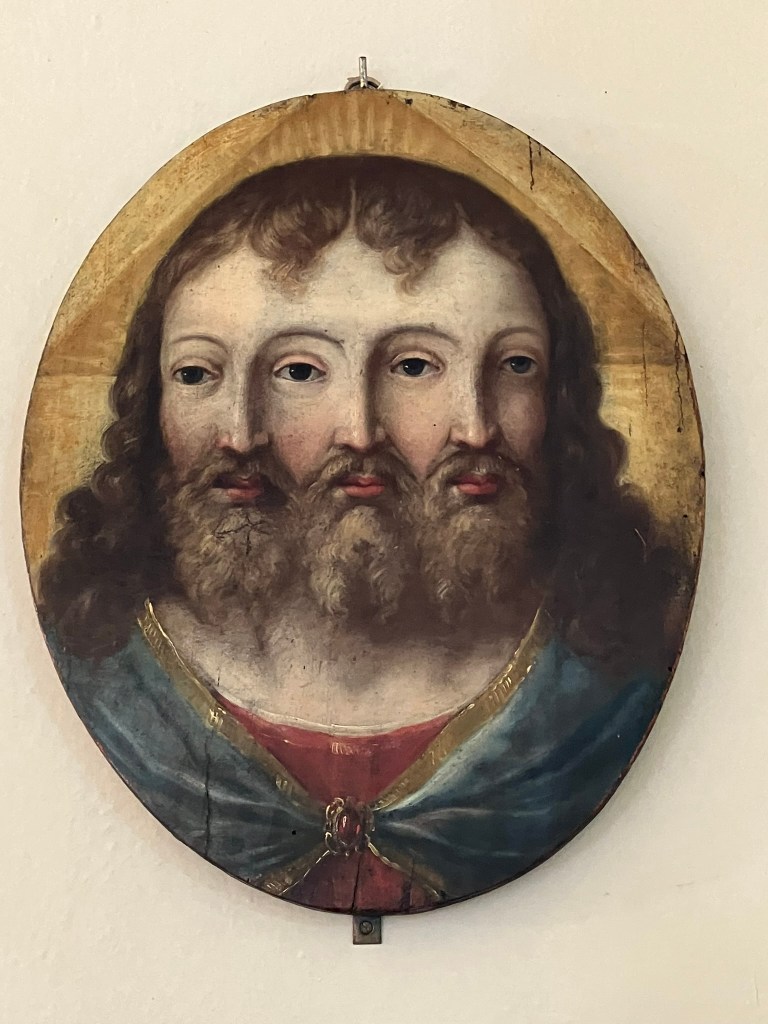
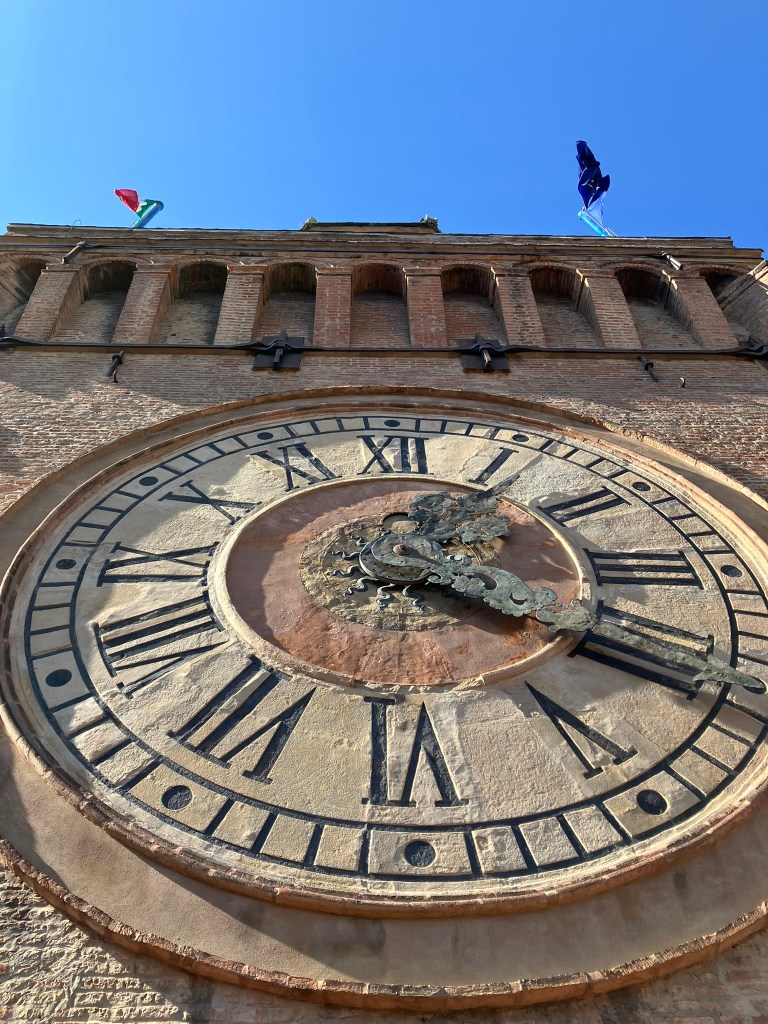
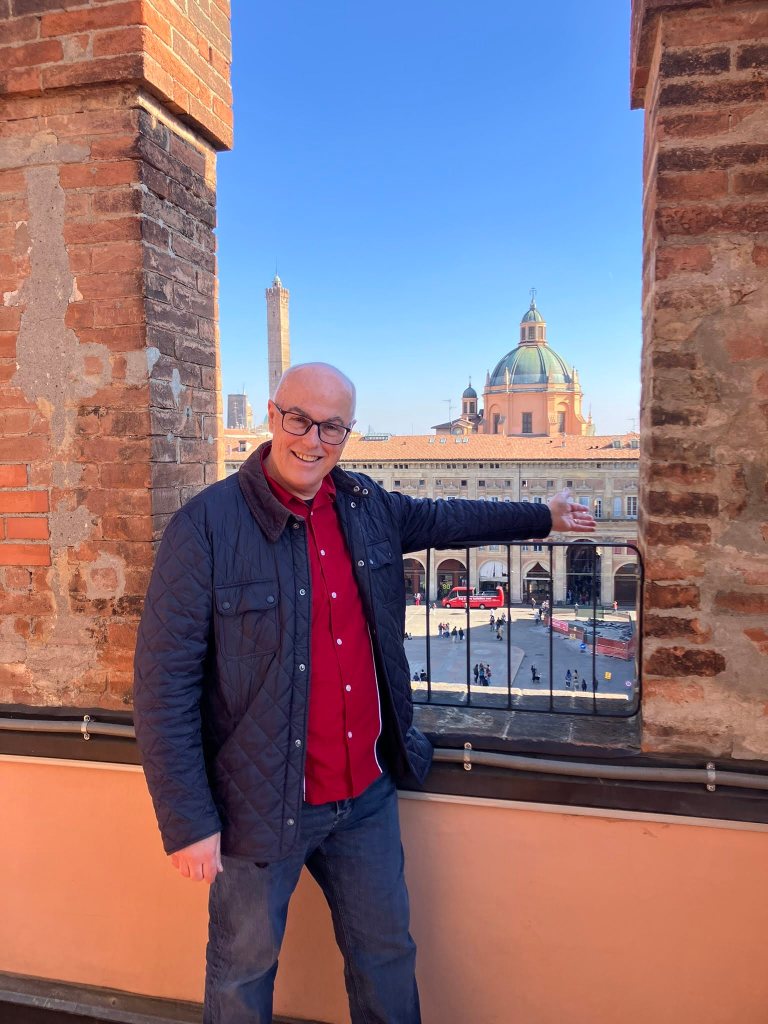
This certainly must be one of the most ornate and interesting working city halls anywhere in the world, and as it was founded in 1336, also one of the oldest. We saw no less than seven wedding parties come and go, walked into a city council meeting of some sort, and peeked inside a lovely lecture hall full of attendees and speakers. Aside from the day to day workings of a city, there are two main attractions here–the Municipal Art Collection and the D’Accursio Tower. The former is a collection of paintings and sculptures from previous centuries, all displayed in beautifully frescoed galleries. The latter is a clock tower that lords over Bologna’s central Piazza Maggiore, accessible by stairs and a ladder.
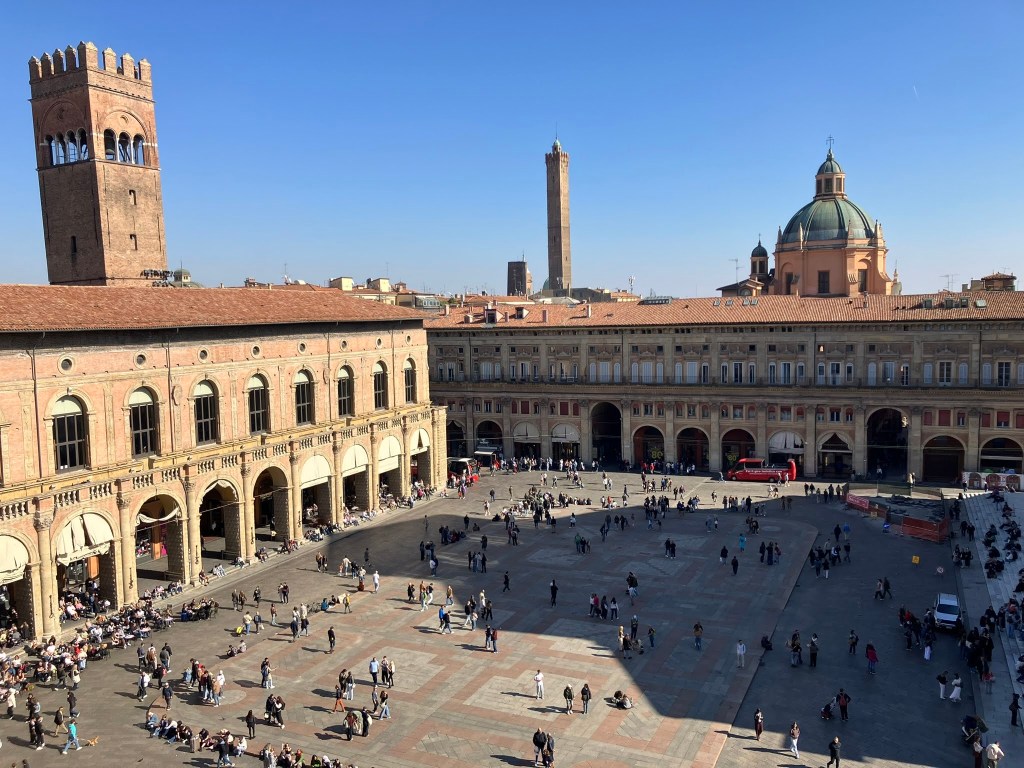
We also visited a few really nice basilicas, cathedrals, and religious sites, which we didn’t take many photos of. One of our favorites was the Basilica of Santo Stefano, a literal compound known to locals as Sette Chiese (“Seven Churches”). The other was the meridian line within Basilica Santo Petronio [if you feel like geeking out a bit on this crossroads of Catholicism and science, check out this piece by Atlas Obscura].
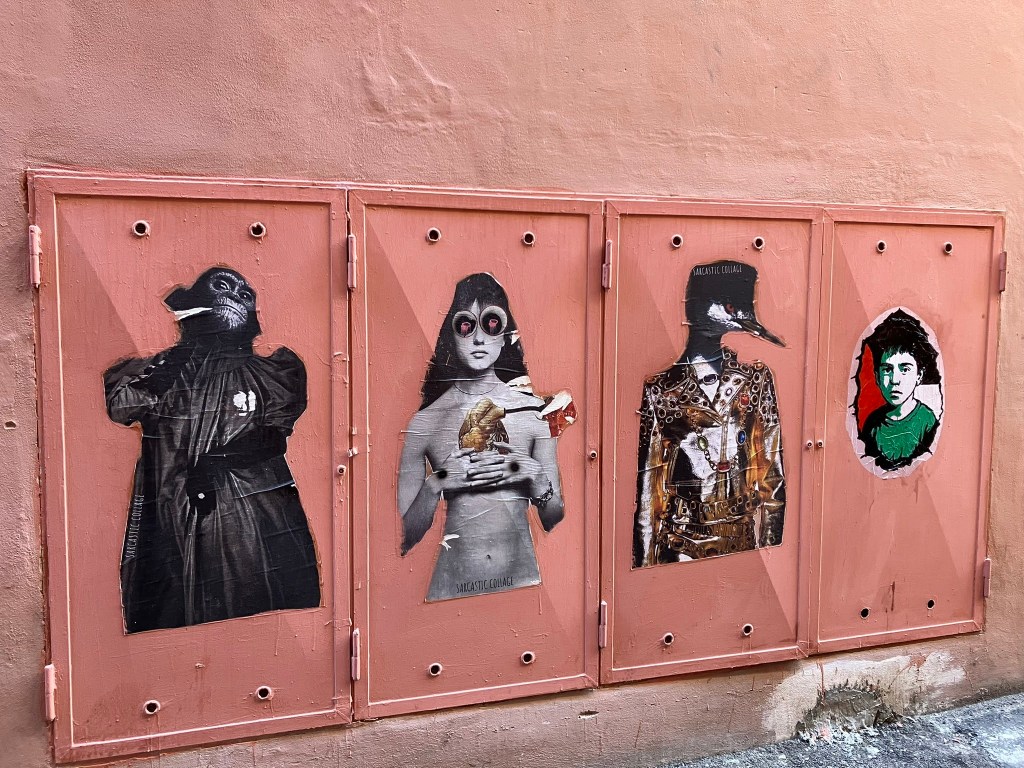
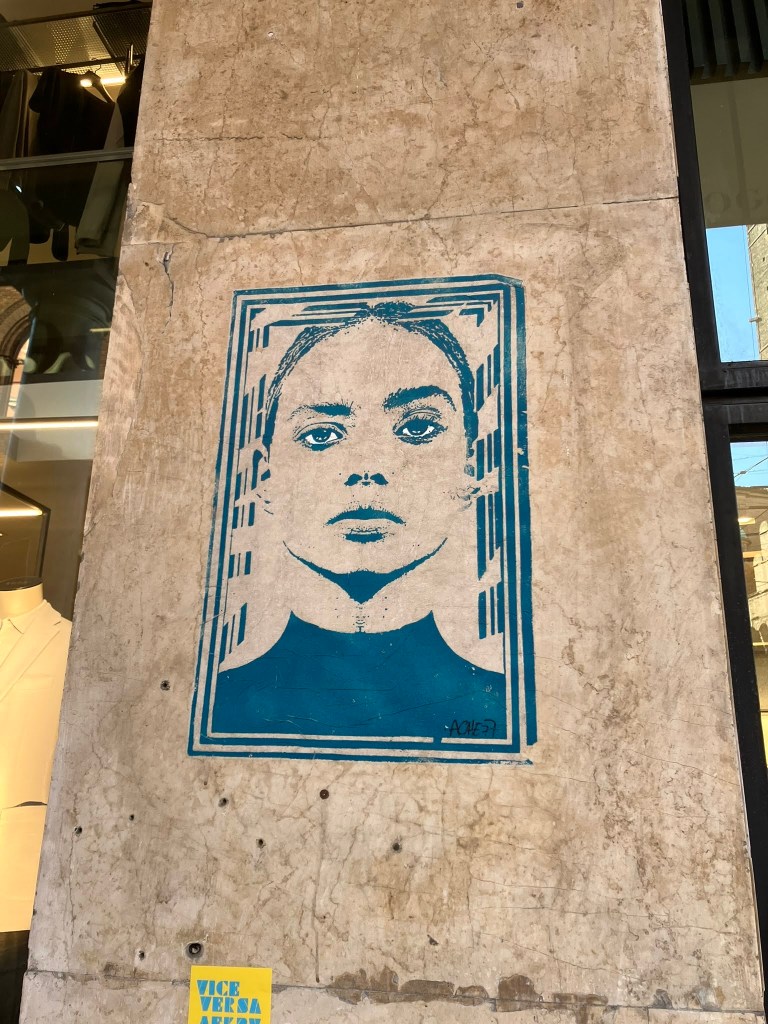
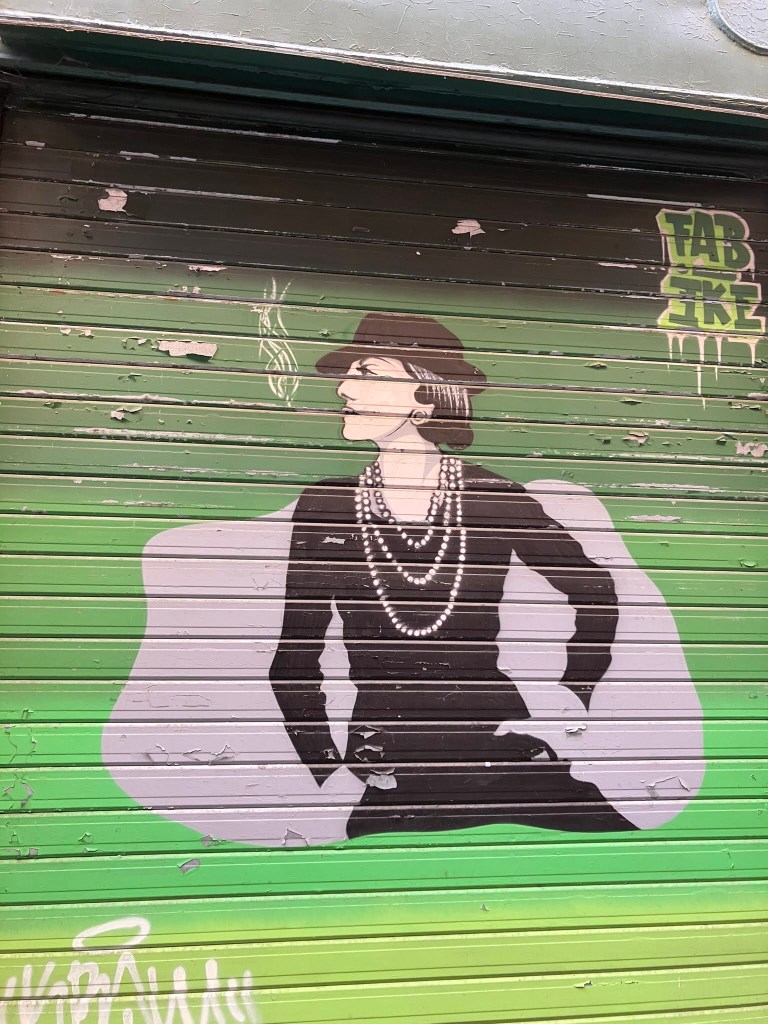
The best times in Bologna are had just wandering around, looking at the interesting street art, and just taking it all in. A few of our favorites to close out the blog below.



 The Js are Silent
Leave a reply to Steve, Denise, and Coco: Calculating Route Cancel reply